"I wouldn't have done it better"
A top 2D director on our AI in-betweens, and how to bring AI into creative work without losing the room.
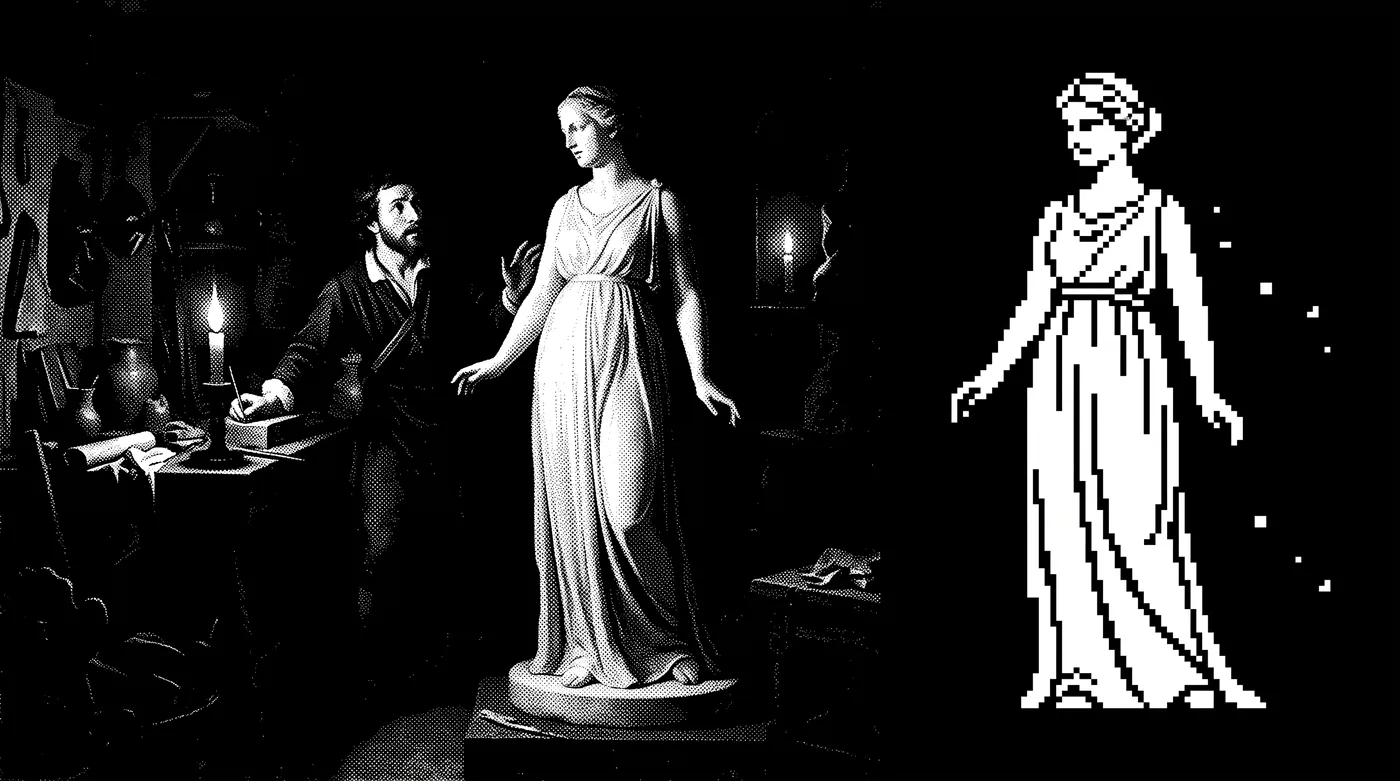
In film and animation AI has a bad reputation, and fair enough, most of what people have seen is slop that tries to replace them (and a lot of it is honestly dogshit for cinema).
So one of my favourite moments so far: a top traditional 2D animation director looked at work done with our pipeline and said, "I wouldn't have done it better."
I can't name the director or the project, but I can tell you exactly what the AI did, because that's the interesting part.
What the AI did (and didn't)
In 2D animation, animators draw the key poses, the frames that carry the acting. Between them someone draws the in-betweens, the frames that make the motion smooth: skilled work, but slow/repetitive/expensive.
We built them a simple client tailored to their workflow on top of our API (today it's an open API and MCP), they used it alongside the tools they already had, the pipeline drew the in-betweens and an artist checked every frame. The keys, the style, the acting, the direction stayed human. Result: production in half the time with a team a third the size. On a social series it's about 30 seconds of finished animation a day from one animator.
Why it worked
- We didn't touch the part that makes it good. The director's vision stayed the director's.
- We fit around their tools. A small client built for them, used next to the software they already knew, no big move to a new platform.
- A human checks every single frame, and that's the difference between cinema and a demo.
- We measured. Time and team size, before and after, because "it feels faster" convinces nobody in a studio.
Bringing AI into a creative team
The same method works way beyond animation (design, video, copy, music): 1. list the steps of the work and mark which ones carry the taste and which ones are just labour, 2. start with one labour step only, the most boring/repetitive one, 3. keep their tools and keep a human on the final check, 4. measure one number before and after (hours, cost, or output per person), 5. show the result to the most skeptical person on the team first, because if they sign off the rest follows.
What doesn't work is pitching "AI will do the whole thing" to the people whose craft is the whole thing. You lose the room in 30 seconds, and honestly you deserve to.
What it means for creative people
The artists who learn to direct this stuff become way more valuable. A director with a pipeline like this can make the project they couldn't finance before, and the labour gets cheap while the taste doesn't (and won't anytime soon).
New notes by email. No spam.
That didn't go through. Check the fields and try again, or message me on LinkedIn.
By subscribing you agree that Brevo stores your email to send you new notes. You confirm once by email, and every email has an unsubscribe link. Privacy note