I tried democracy with my co-founders
Slower, doesn't scale, and with AI-native teams that's fine.
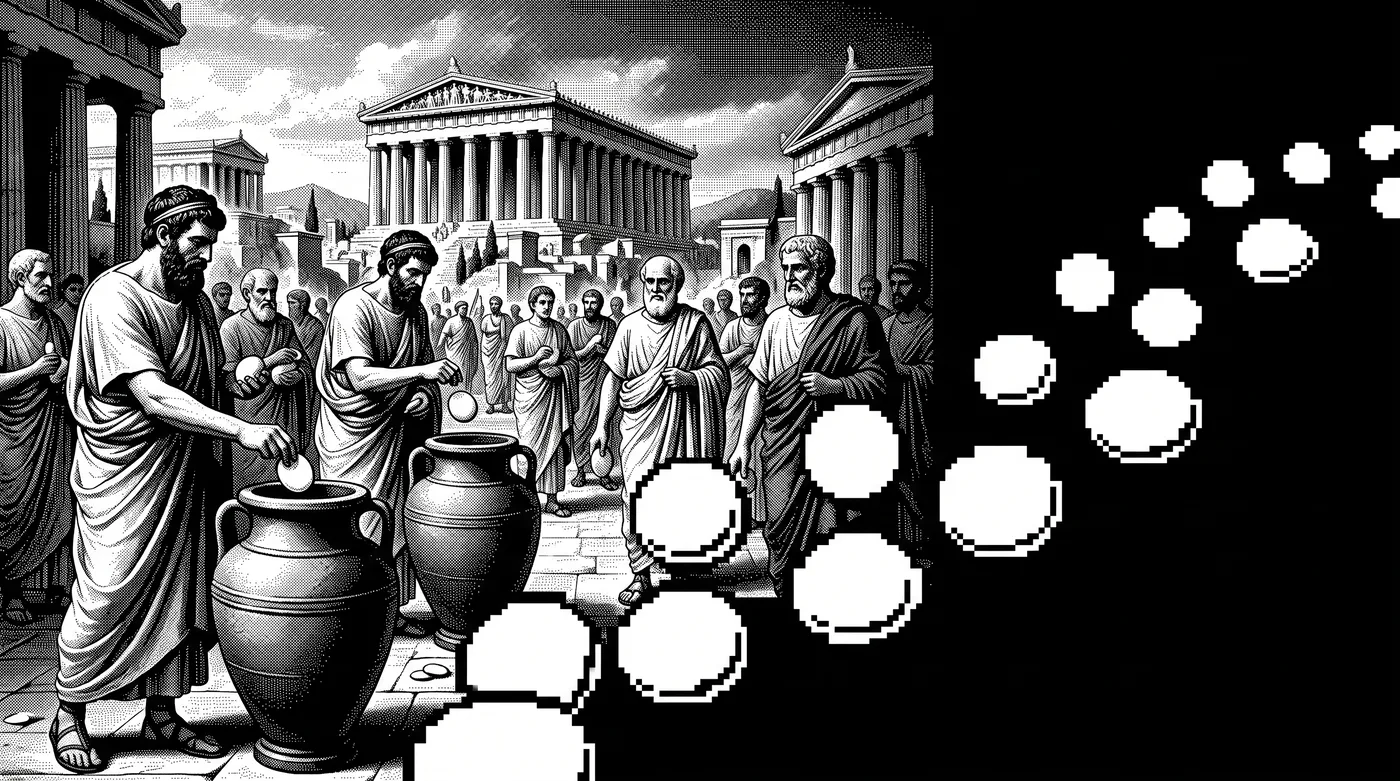
At my previous company there were long stretches where nobody was really driving day to day, me included. Big decisions waited, everyone filled the gap in their own direction, and by the time it was obvious it was too late to fix.
So at Wazza, with my co-founders, I tried the opposite: democracy. We decide together, nobody is the boss of the others, and so far it works, just not how you'd expect.
The cost
The human factor takes a lot of space: more talking, more aligning, more "ok let's sleep on it". If you want a company where one person decides everything in 5 minutes this isn't it, and some weeks it feels slower than it should.
Why it works anyway
Because smart people know when to step up and when to step back, even when they disagree.
Democracy between co-founders doesn't mean everyone votes on everything. Everyone trusts the others enough to let the person who knows the most take the call, and to say "I disagree, go ahead" and actually mean it. When it works nobody waits for permission and nobody fights for territory.
When it breaks
- People aren't aligned on money/time/roles. Then every decision is a proxy fight about something else (checklist in the $2M+ note).
- Someone can't step back. One person who has to win every argument turns a democracy into a stalemate.
- Nobody steps up. Consensus with no owner = a meeting that never ends.
If you want to try it
- One owner per area (product, money, sales, tech). The owner decides after hearing everyone, the others can disagree, then commit.
- Write decisions down. One line: what we decided, who owns it, when we review it. Kills "I thought we said…" forever.
- Agree on a tie-break before you need it: the owner of the area, a vote, or a trusted outside person. Pick one while everyone is calm.
- Separate the person from the idea. You can kill an idea without killing the mood, takes practice.
- Review the setup every few months, because who owns what changes as the company grows.
It doesn't scale, and that's fine now
Democracy between co-founders works because there are only a few of you. Add people and it gets heavy fast, since every new person adds conversations/opinions/side agendas.
Countries show the same thing. Switzerland runs real direct democracy (people vote on actual decisions several times a year) and it mostly works: small country, relatively well-informed people, a lot of trust in the system. France is far bigger and far more centralized, and when people disagree it gets out of control fast, with strikes, protests and governments that can't pass anything.
Now the cool part. With AI, teams don't need to get big anymore: a few people + agents can do what needed a much bigger team a few years ago (on one 2D film, our pipeline did the job with a team a third the size). Solo founders run real companies and zero-employee companies are becoming a thing, so the size where democracy works, a handful of people who trust each other, is now a size where you can build something serious.
tldr: AI-native companies stay small, and small is where consent works.
New notes by email. No spam.
That didn't go through. Check the fields and try again, or message me on LinkedIn.
By subscribing you agree that Brevo stores your email to send you new notes. You confirm once by email, and every email has an unsubscribe link. Privacy note